5 Days / 4 Nights
Architecture & Spirituality
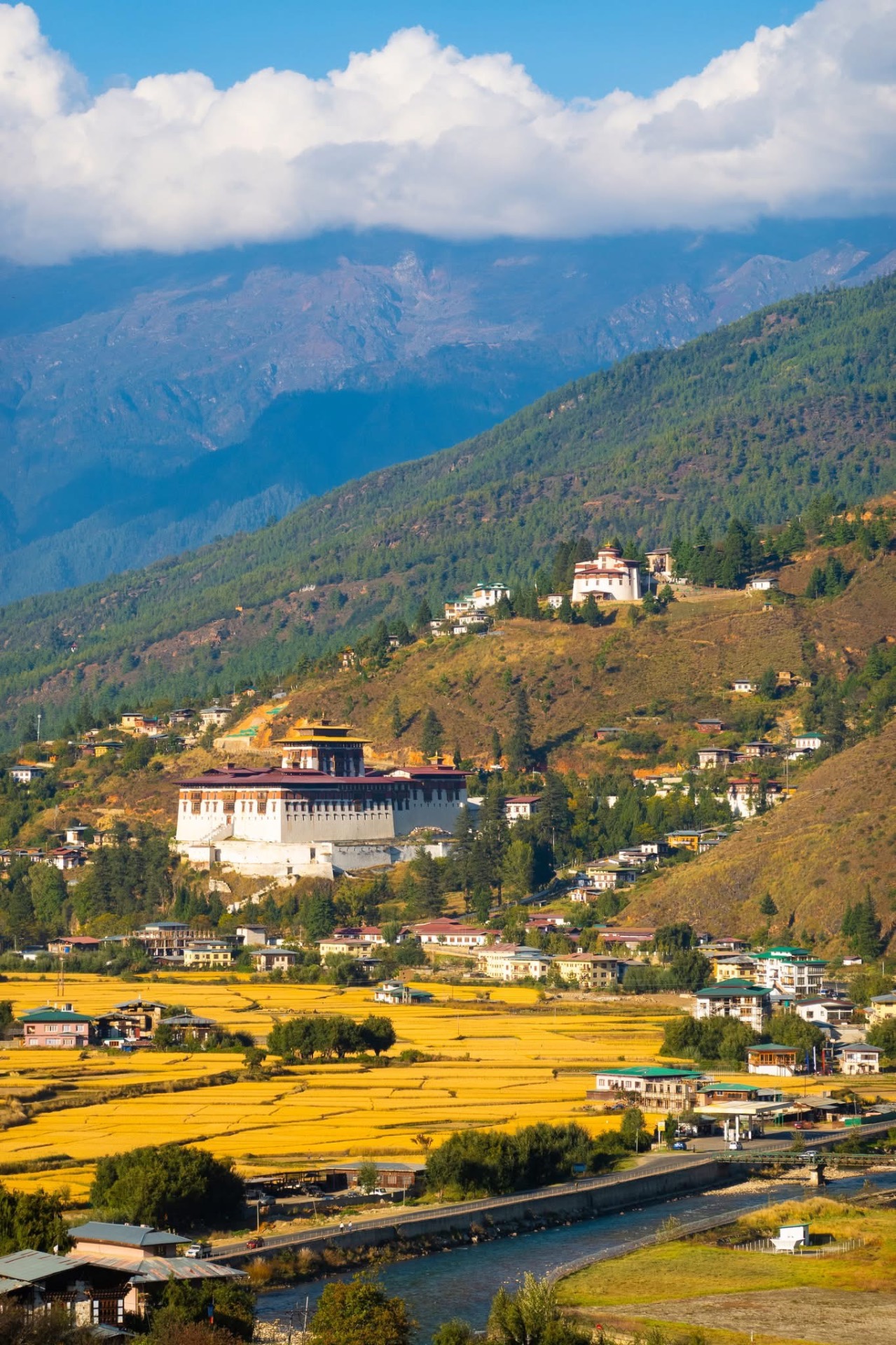
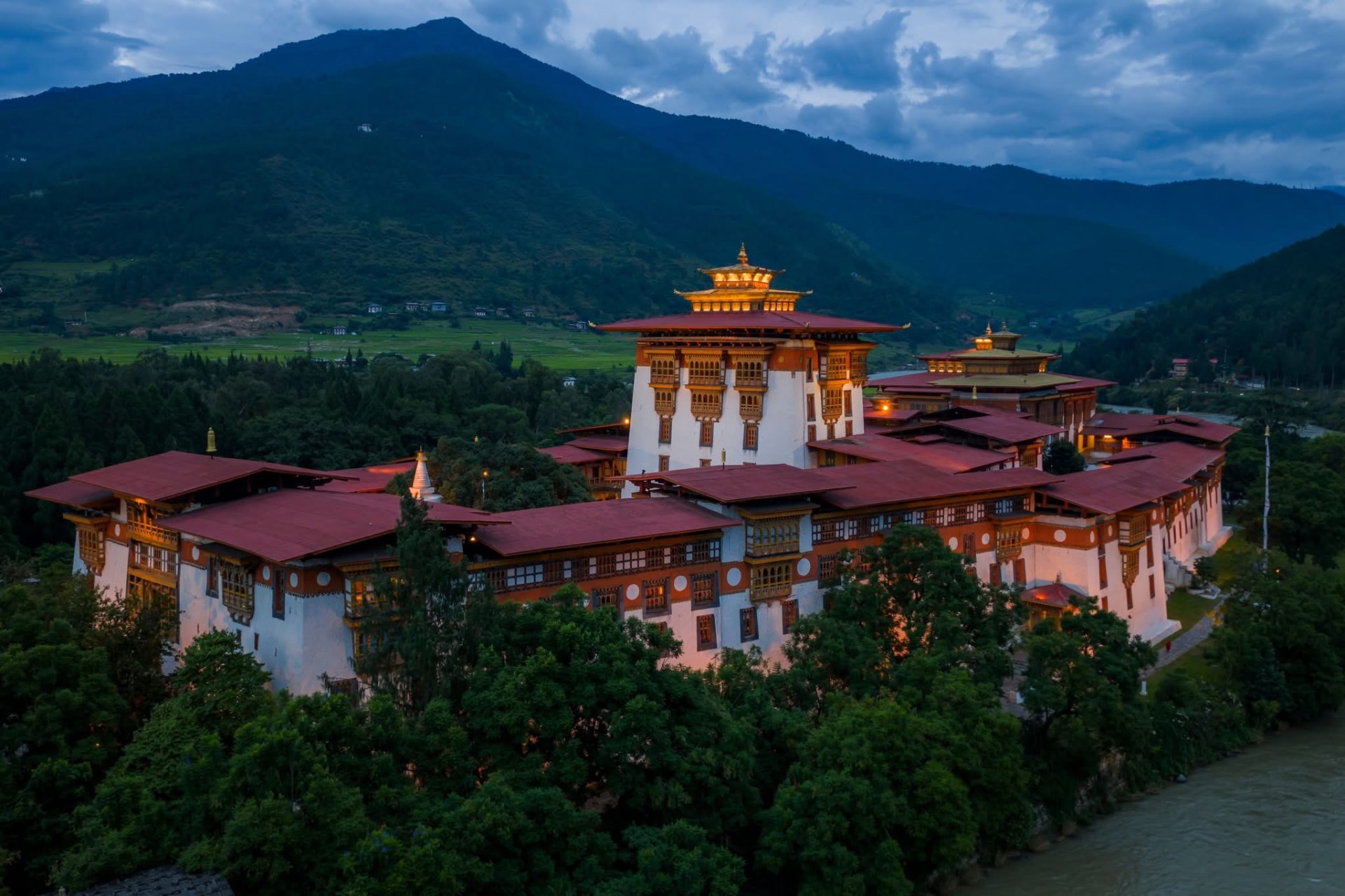
Dzongs are some of the first places people see when they come to Bhutan. They are also some of the best places to understand the country's history.
A dzong was built to serve both as a fortress and a centre of government. Today, many are still used by monks and local administration.
A dzong was never only a religious building. It held the district administration, housed the monk body and protected the community around it. That combination still works today, which is why a dzong rarely feels like a monument.
We can visit some of Bhutan's better-known dzongs, such as Punakha and Paro, as well as smaller temples and monasteries along the way. Which ones you see depends on your route and how much time you have.
Some monasteries are very quiet, while others are busy with monks, local people and religious activities. Both are worth seeing, and the smaller ones are often the ones people remember.
There is usually more to see than the main building. Look at the old paintings, wooden windows, courtyards and details in the architecture. Your guide can explain the stories and history connected to each place.
We explain what to expect when visiting a religious place, including what to wear, when photography is allowed and how to behave inside the temples. Shoulders and knees should be covered, and hats removed inside.
Dzongs can be visited throughout the year. Mornings are usually quieter, and access to certain parts can change during festivals or official events.
We prefer fewer stops with more time at each one, rather than moving quickly from one dzong to the next.
Good forPeople interested in Bhutanese history, Buddhism, architecture and culture.
These are not fixed activities that have to be added to every trip.
Some travellers may be more interested in monasteries and history. Others may prefer food, villages, walking or meeting local people.
Tell us what interests you, how much time you have and what kind of pace you prefer. We can then work these experiences into your itinerary where they make sense.
Sometimes the best part of a day is something that wasn't planned.
Related journeys
5 Days / 4 Nights
7 Days / 6 Nights
11 Days / 10 Nights